
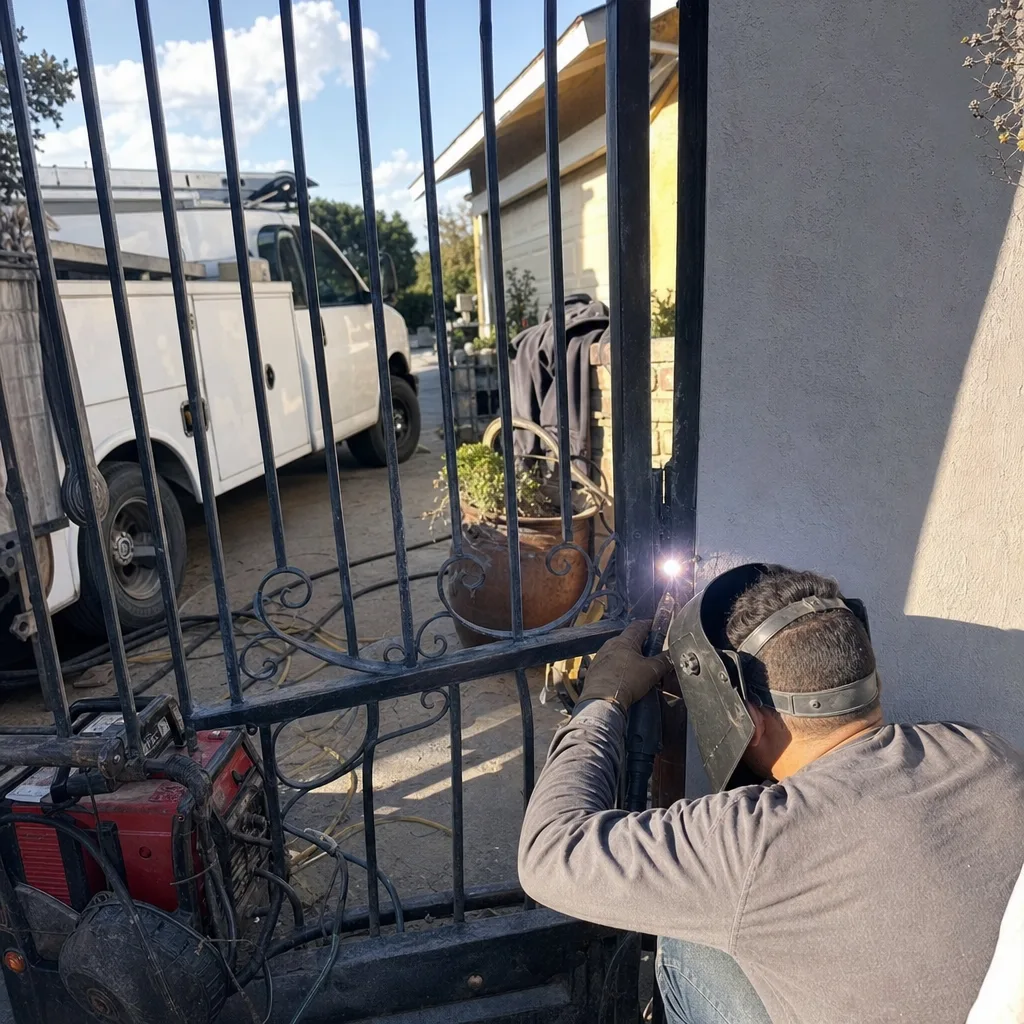
Last updated November 15, 2026
 Wrought iron
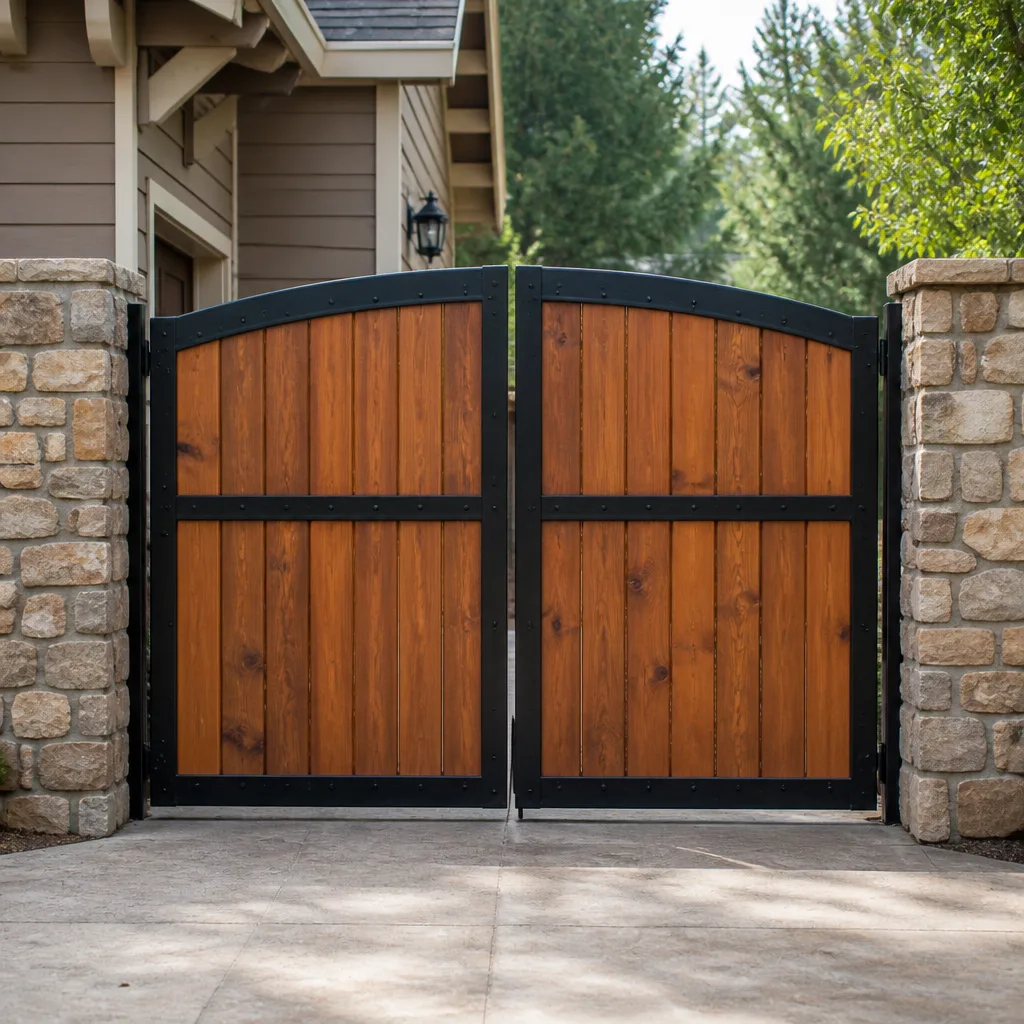 Wood & steel frame
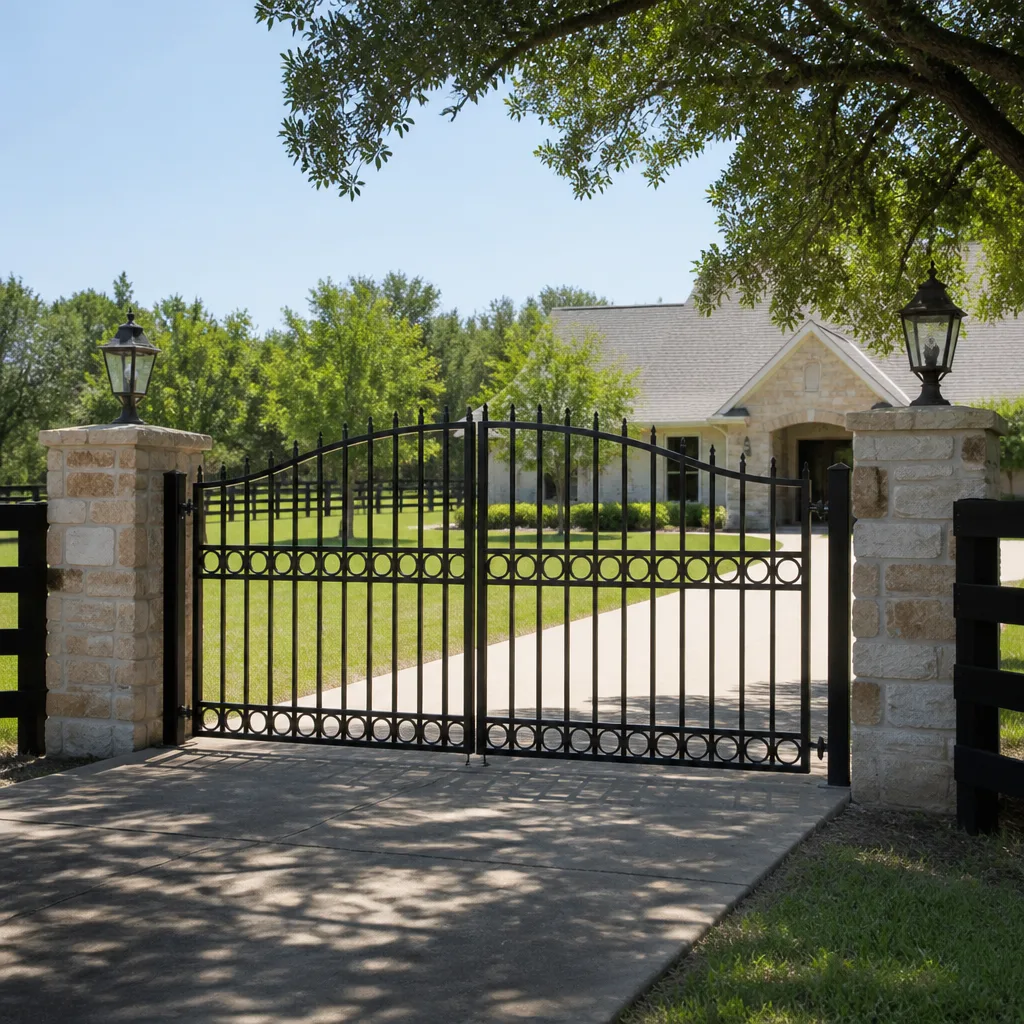 Farm & ranch
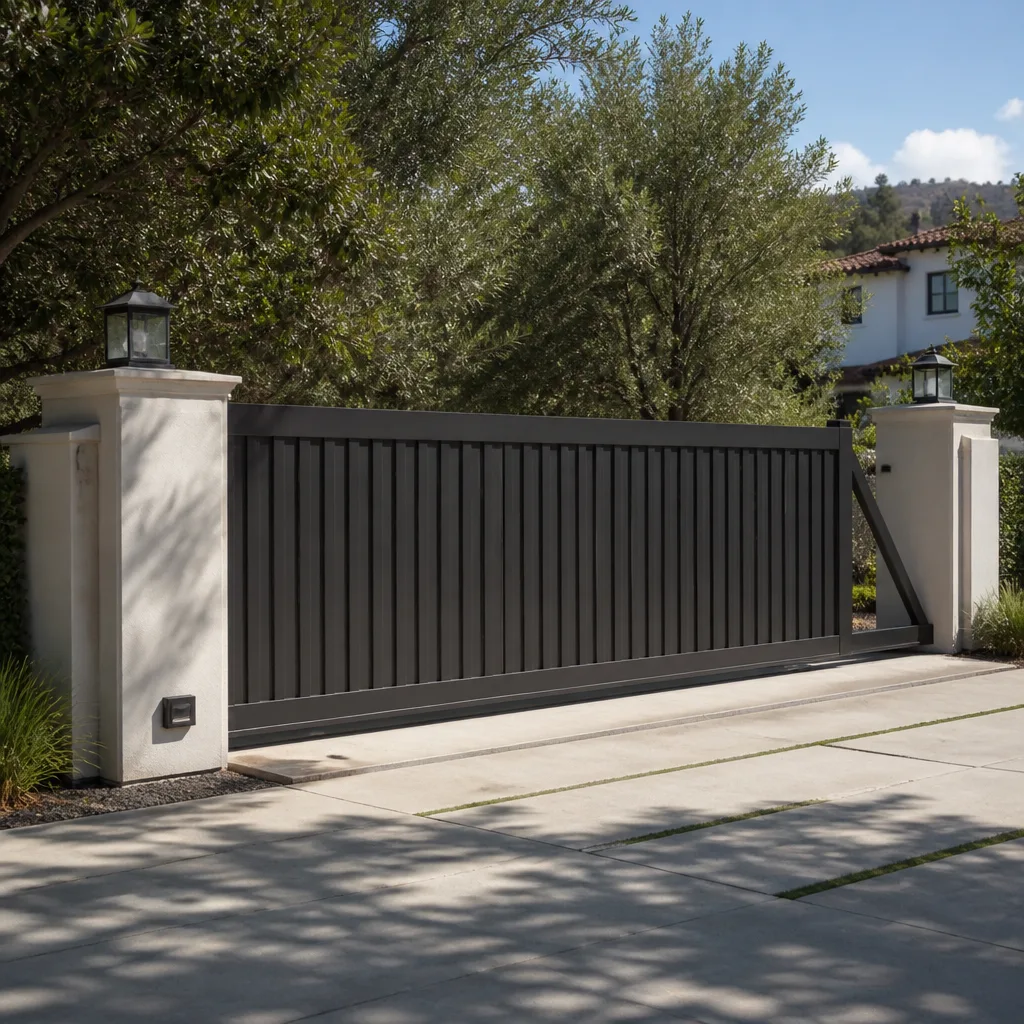 Sliding driveway gates
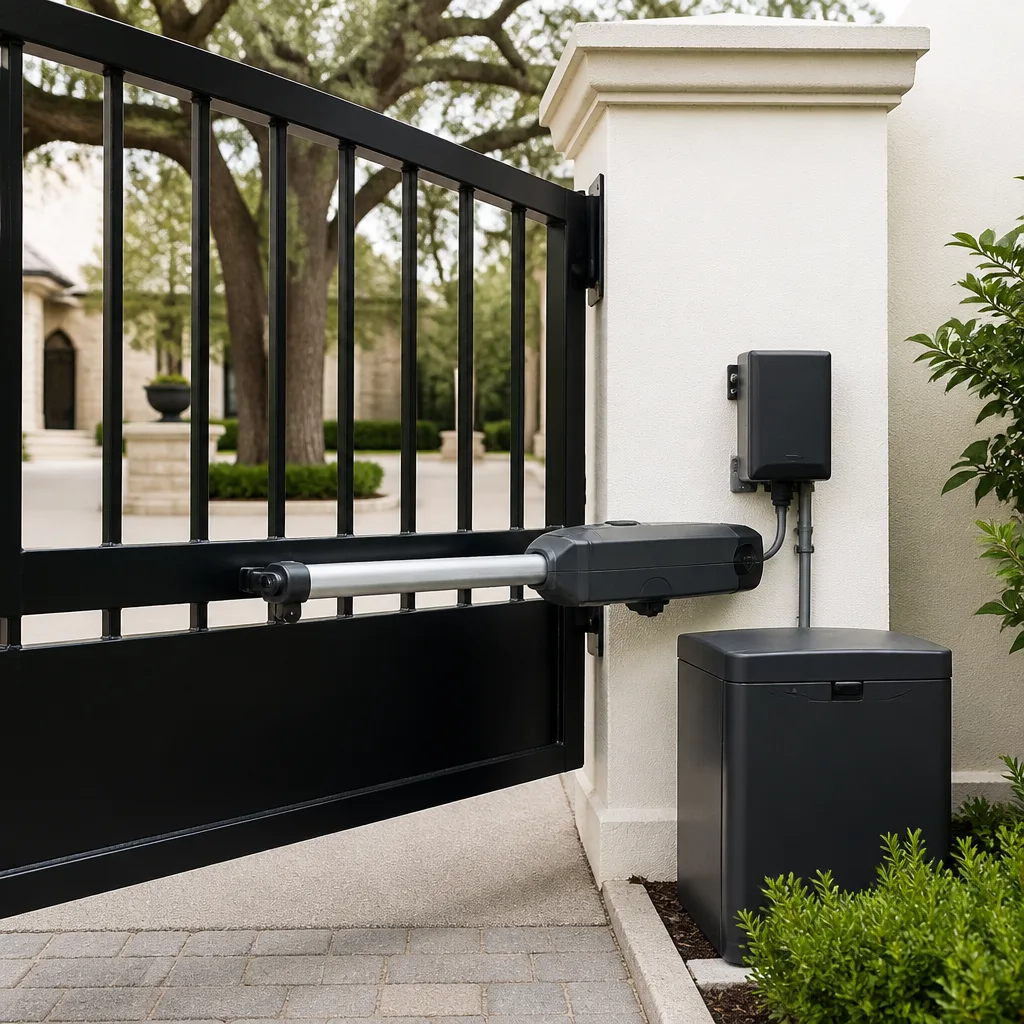 LiftMaster operators
Free on-site gate assessment - hinges, posts, and your LiftMaster or Nice gate operator checked before anything is quoted
The assessment is free and the quote is the invoice.
Get your free estimateSeasonal Gate Repair Care for El Cajon: Year-Round Homeowner’s Guide
Most gate care advice you’ll find online was written for places with four distinct seasons, and it falls apart the moment you apply it here. El Cajon doesn’t hand your gate a slow winter freeze and a gentle thaw. It hands it a long heat-stress window, a Santa Ana wind window, a short wet window, and a UV baseline that never lets up, each one working on a different part of the system. A gate that survives a Chicago winter can still cook a control board in a July driveway off Main Street.
This guide walks through El Cajon’s real calendar, month block by month block, and what each stretch asks of a manual or automatic gate. You’ll learn what to check and when, why timing matters here more than anywhere, and how to spot a problem before it strands you at the keypad.
Quick Answer
Seasonal gate care in El Cajon means tuning your checks to four pressures: pre-Santa Ana prep in September, wet-season attention to hinges and underground loop wiring from December through February, surface and expansion checks in spring, and heat protection for operator components through summer. The single highest-value habit is testing your battery backup and limit switches before the fall wind window, because that is when power flickers and debris hit a gate hardest.
Styles & brands we work with
- Wrought iron
- Wood & steel frame
- Farm & ranch
- Sliding driveway gates
- LiftMaster operators
Table of Contents
- Why El Cajon’s Gate Calendar Isn’t Like Anywhere Else
- September: Pre-Santa Ana Season Prep
- December Through February: The Wet Window and What Rain Does Here
- March Through May: UV, Expansion, and the Invisible Powder Coat Problem
- June Through August: Peak Heat and Your Control Board
- Year-Round Solar Panel Angle Adjustment for El Cajon’s Latitude
- Your Monthly Twelve-Minute Walkaround
- Manual Gates and Automatic Systems Need Different Seasonal Attention
Why El Cajon’s Gate Calendar Isn’t Like Anywhere Else
El Cajon sits in an inland valley climate where the temperature swings are wide but the seasons are less about cold and more about moisture, wind, and sun. That changes what wears out first. Parts that rust in wet climates often fail here because heat and UV dry out lubricants and crack seals long before water ever reaches the metal. Parts that seize in cold climates fail here because dust and airborne grit work into tracks and rollers during the dry months.
In our experience working on gates across El Cajon, we see three patterns repeat:
- Dry-season grit, not rust, kills rollers and tracks first. Airborne dust from wind events and dry lots settles into the sliding surfaces. Without a wipe-down and fresh lubrication, rollers flatten and tracks develop grooves.
- Power fluctuations test electronics before anything else. The inland valley gets voltage dips during peak heat and wind events. A control board with a weak battery backup is the first thing to fail.
- UV exposure degrades the finish quietly. Powder coat on posts and panels doesn’t announce its failure. It chalks, thins, and lets moisture in from underneath, and by the time you see rust it’s been creeping for months.
The good news is that El Cajon’s worst gate problems are the ones a seasonal plan catches early. A gate that gets attention at the right four moments in the year rarely needs an emergency call. A gate that gets attention only when it stops moving tends to need the whole assembly looked at at once. We’ll cover the full gate repair side of things as we go, but the goal of this guide is prevention first.
September: Pre-Santa Ana Season Prep
September is the month to make sure your gate is ready for the wind that’s coming, not the month to fix it after something breaks. Santa Ana conditions combine low humidity, gusting wind, and airborne debris, and they put more stress on a gate in a few weeks than the rest of the year does. The three checks that matter most are battery backup, limit switches, and debris guards.
1. Test the battery backup
An automatic gate that loses power without a working battery backup either stops where it is or, worse, stops mid-travel with a vehicle under it. Test the backup by cutting power at the breaker and watching the gate cycle through a full open-and-close. If it hesitates, slows, or stops partway, the battery needs attention before wind season. This one test catches the majority of standby failures we see before they become calls.
2. Calibrate the limit switches
Limit switches tell the operator where the gate is supposed to stop. Wind-driven vibration and repeated cycling slowly knock them out of alignment, and a gate that over-travels or stops short is usually a limit switch problem, not a motor problem. Run the gate through several full cycles and watch where it stops. If the position drifts, it needs recalibration. On LiftMaster and FAAC operators this is a routine adjustment, and it’s much easier to do on a quiet September afternoon than during a wind event.
3. Inspect the debris guards and clear the travel path
Wind carries leaves, twigs, and grit into the gate’s path and into the operator housing. Check that any debris guards around the operator are intact, clear the travel path of loose material, and look at the photo-eye or safety loop zone for buildup. Debris that blocks a safety sensor is one of the most common causes of a gate that refuses to close.
If any of this feels beyond a visual check, or if your gate fails a backup test, this is a good moment to have a specialist look. We work on the brands you already own, including Mighty Mule and BFT, rather than steering you toward a replacement. Call (866) 361-9590 for a free estimate and we’ll tell you exactly what needs attention before the wind arrives. We answer 24/7.
December Through February: The Wet Window and What Rain Does Here
El Cajon’s wet season runs December through February, and while the totals are modest, two to three inches of rain over that window is enough to find every weakness in a gate that isn’t protected. The two areas that fail first are hinge collars and underground loop detector wiring. This is the season to walk the perimeter and look for what the rain has been doing to the components you don’t normally see.
What rain does to hinge collars
Hinge collars hold the gate leaf to the post, and they’re the point where water collects and sits. On a manual gate, a collar that holds moisture starts to bind and the gate swings hard or drags. On an automatic gate, that drag shows up as the operator working harder to move the leaf, which shortens motor life. A seasonal check means swinging the gate by hand with the operator disengaged and feeling for binding, then looking at the collars for water staining or seized movement.
What rain does to loop detector wiring in El Cajon clay soils
El Cajon’s clay-heavy soils hold water. When the ground swells and shifts through the wet window, the saw-cut channels that carry loop detector wiring can move, and a loop that was tuned in the dry season can go out of tune or false-trigger after rain. A gate that opens on its own, or refuses to detect a vehicle, after a wet stretch is often a loop or wiring problem rather than a control board problem. The fix is usually re-sealing and re-tuning the loop, not replacing the detector.
Your wet-season checklist
- Swing the gate by hand (operator disengaged) and feel for binding at the hinge collars.
- Look for standing water or drainage problems at the base of the posts.
- Test the loop detectors by driving a vehicle over each loop and watching for correct response.
- Check that the operator housing is sealed and free of water intrusion.
- Look at the control board enclosure for condensation or moisture, if accessible and safe to inspect.
Wiring and live electrical components are not a do-it-yourself item. If you suspect a loop, board, or wiring fault, have a trained technician trace it. This is the kind of electric gate repair we handle all wet season long, and catching it in January is far cheaper than the domino of a dead board in March.
March Through May: UV, Expansion, and the Invisible Powder Coat Problem
Spring is when the gate looks fine and isn’t. The weather is comfortable, the gate moves, and the powder coat still has its color. That’s the moment powder coat failure starts, invisibly, underneath a surface that hasn’t begun to look bad yet. By summer, when the sun is brutal, that same gate is losing its finish and letting moisture into the steel.
Why powder coat fails from underneath
Powder coat is a finish, not a seal. Tiny interruptions from grit, flex at welded joints, and UV thinning let moisture reach the steel underneath while the visible surface still holds. The compromise starts in the shoulder seasons when temperature swings expand and contract the metal, and the adhesion at edges and joints opens up slightly. Rust begins there, out of sight, and surfaces in the heat months when it looks sudden.
The simple surface test
You don’t need a gauge to catch early powder coat failure. Run a fingernail or the back of a key lightly along the bottom rail and the edges of the panels. If the finish feels chalky, flakes in a thin film, or gives a different sound than the flat areas, it’s thinning. Wipe a clean white cloth along a panel and look for a powdery residue; that’s chalking, and it’s the early warning. Any spot that flashes rust at a joint should get a touch-up before summer.
Spring expansion checks
- Check gate-to-post gaps on both sides. Heat expansion can close a gap that was fine in winter.
- Test that the gate latches and unlatches smoothly without binding.
- Look at the concrete at the post base for hairline cracks that suggest the footing is shifting.
- Re-lubricate hinges, rollers, and the track with a product appropriate to the finish.
- Check the alignment of the operator arm or chain to the gate leaf, since expansion can drift it.
Spring is also the right window to have a technician look at the gate’s overall condition before the summer heat adds load. If your gate is due for closer inspection, that’s what gate repair El Cajon free estimates are for. Call (866) 361-9590. Fast dispatch from 7am to 7pm.
June Through August: Peak Heat and Your Control Board
Sustained 95°F+ heat is the single biggest environmental stress on your operator’s electronics in El Cajon. The inside of a control box on a south-facing post can run far hotter than the outside air, and heat is what shortens the life of capacitors, circuit traces, and the control board itself. The motor gets attention in a heat discussion, but the board is usually what fails first.
What heat actually does to a control board
- Capacitors on the board are the first components to degrade, and heat accelerates that aging.
- Thermal stress expands and contracts solder joints over repeated hot-cold cycles.
- A board that runs hot with a weak battery backup becomes unreliable, especially when power dips.
- Some operators have thermal protection that slows or refuses a cycle at high internal temperature. That’s normal behavior, not a fault, but it tells you the housing isn’t getting enough airflow.
Shade and ventilation modifications that extend operator life
You don’t need to cover the operator with anything airtight, which can make heat worse. What actually helps:
- Check that the operator housing is vented as the manufacturer intended and the vents aren’t blocked by dust or debris.
- If the operator sits in direct afternoon sun on a post or fence line, add a simple shade panel that blocks sun without enclosing the housing.
- Keep the housing clear of vegetation and stored materials that trap heat.
- Keep the control board enclosure clean of dust, which acts as insulation.
- Replace battery backups at the first sign of weakness, since a tired battery is a heat amplifier in the box.
On LiftMaster and Linear systems, thermal behavior is predictable, and a mid-summer service visit that checks board temperature and battery condition goes a long way toward extending operator life. This is a good time to schedule a look. Call (866) 361-9590. We answer 24/7. Fast dispatch from 7am to 7pm, Sunday through Friday.
Year-Round Solar Panel Angle Adjustment for El Cajon’s Latitude
If your gate relies on a solar panel for an operator or a battery charger, the panel’s angle should change between summer and winter sun positions. A panel set for summer sun underproduces in winter, and a panel set for winter sun underproduces in summer, so a single fixed angle leaves charge on the table. Adjusting it twice a year is a fifteen-minute task that keeps the battery healthy.
Why angle matters here
El Cajon’s sun position swings widely between the summer and winter solstices because of its latitude. The panel that worked all summer can fail to keep up in December, when the sun is lower and the days are shorter, and the panel that kept the battery topped off in winter is not optimized for the high summer sun angle. The practical approach is to set the panel toward the sun at the two solstices.
How to adjust it
- Summer (around June): tilt the panel to a shallower angle to face the higher sun more directly.
- Winter (around December): tilt the panel to a steeper angle to catch the lower sun.
- Check the panel face for dust or debris at each adjustment. A dusty panel loses output even at the correct angle.
- Test battery voltage after each adjustment to confirm the panel is charging as expected.
- Look at the mounting for looseness, since wind events can move the whole assembly.
Brands commonly used for solar setups on residential gates include Ghost Controls and Mighty Mule, and the panel adjustment is the same idea across them. If your battery isn’t holding charge despite a properly angled panel, that’s a signal the system needs a look. Call (866) 361-9590 for a free estimate.
Your Monthly Twelve-Minute Walkaround
The four seasonal blocks above catch the big problems. A short monthly check catches the small ones before they compound. Twelve minutes once a month is the best-liked habit in this guide, because it converts most gate failures into maintenance tasks you see coming.
- Cycle the gate fully two or three times and watch for sound changes, hesitation, or a shift in where it stops.
- Wipe the track and rollers with a dry cloth and remove grit before it grinds.
- Check the safety sensors and photo-eye by waving a hand through the beam and watching for the correct stop behavior.
- Test the manual release (if your operator has one) to confirm you could open the gate by hand in a power event.
- Look at the hinges and collars for staining, corrosion, or stiffness.
- Clear the travel path of leaves, twigs, and stored items.
Write the date of each check on the inside of the operator cover or on a tag at the post. If something changes between checks, you’ll have a record of what was normal. That record is genuinely helpful when a technician arrives, because it narrows the diagnosis. This kind of month-to-month attention is the practical side of gate repair in El Cajon, and it’s the difference between a yearly tune-up and a yearly emergency.
Manual Gates and Automatic Systems Need Different Seasonal Attention
Manual and automatic gates live on the same property and fail in different ways, so the seasonal plan looks different for each. Knowing which is which keeps you from over-checking one and under-checking the other.
Manual gate seasonal priorities
- Hinge and collar condition is the whole game on a manual gate. A binding hinge turns a light gate into a heavy one, and repeated forcing wears the post.
- Post footing and ground shift matter more on manual gates, because a leaning post is felt at every swing.
- Finish and lubrication are the two cheap habits that extend life the most.
Automatic and electric gate seasonal priorities
- Battery backup and control board head the list. These are electronics, and heat, power dips, and dust are their enemies.
- Limit switches and safety sensors need routine testing because misalignment is silent until it isn’t.
- Loop detectors and underground wiring are seasonal concerns through the wet window, since clay soils shift.
- Solar charge systems need angle and panel attention twice a year.
The specialist advantage matters most on the electric side. A generalist can adjust a hinge, but a control board problem or a loop fault needs someone fluent in the specific operator. We work on residential and commercial electric access systems across the major brands, including DoorKing, FAAC, and BFT, and we diagnose the actual fault rather than selling a whole-system replacement. From opener to operator to control board, we find the source. Call (866) 361-9590 for a free estimate.
Common Mistakes to Avoid
- Waiting for a failure to schedule service. A gate that stops mid-travel in a driveway during a wind event is a much bigger job than the limit switch check that would have caught it in September. The seasonal plan exists so you never have to make that call.
- Lubricating the track instead of cleaning it. Adding lubricant to a dirty track turns dust into grinding paste. Wipe the track first, then apply the correct lubricant sparingly, and keep it clear of the rollers’ surfaces.
- Ignoring the powder coat until rust is visible. By the time you see rust on a panel, the finish has been failing there for months. The fingernail and cloth tests in spring catch it early, and early touch-up is far cheaper than refinishing.
- Assuming a gate that opens by itself after rain is a control board failure. In El Cajon’s clay soils, a false trigger after a wet stretch is often loop wiring that shifted, not a bad board. Have a technician trace it before agreeing to a board swap.
- Enclosing the operator housing to “protect it” from heat. An airtight box traps heat and makes the control board’s problem worse. Shade and ventilation, not enclosure, are what work in this climate.
- Leaving the solar panel at one fixed angle all year. The angle that worked in June leaves the battery undercharged in December. Two adjustments a year keeps a solar gate reliable through the winter.
- Forcing a binding manual gate until it frees up. Forcing a stiff hinge on a manual gate overstresses the collar and the post footing, and a footing problem is a far larger repair than a hinge. Find the bind and fix it rather than forcing through it.
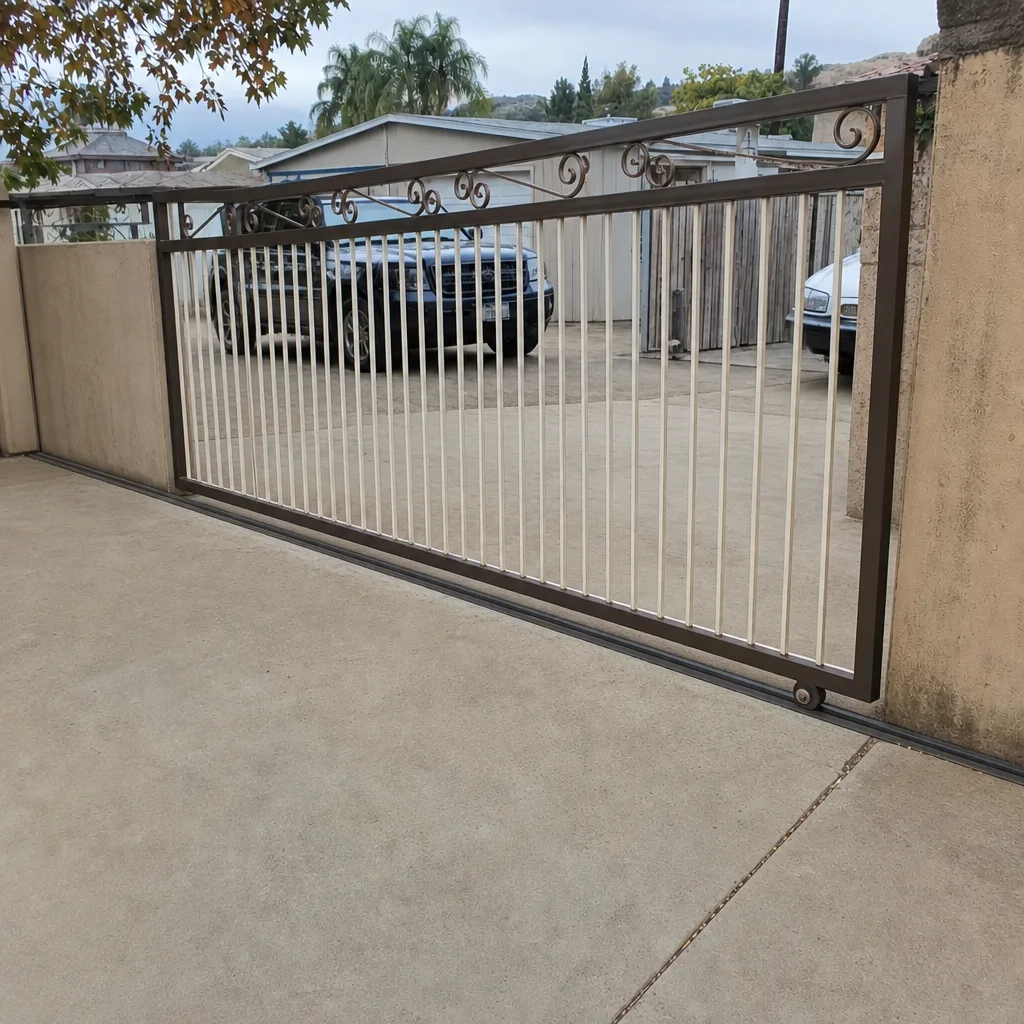
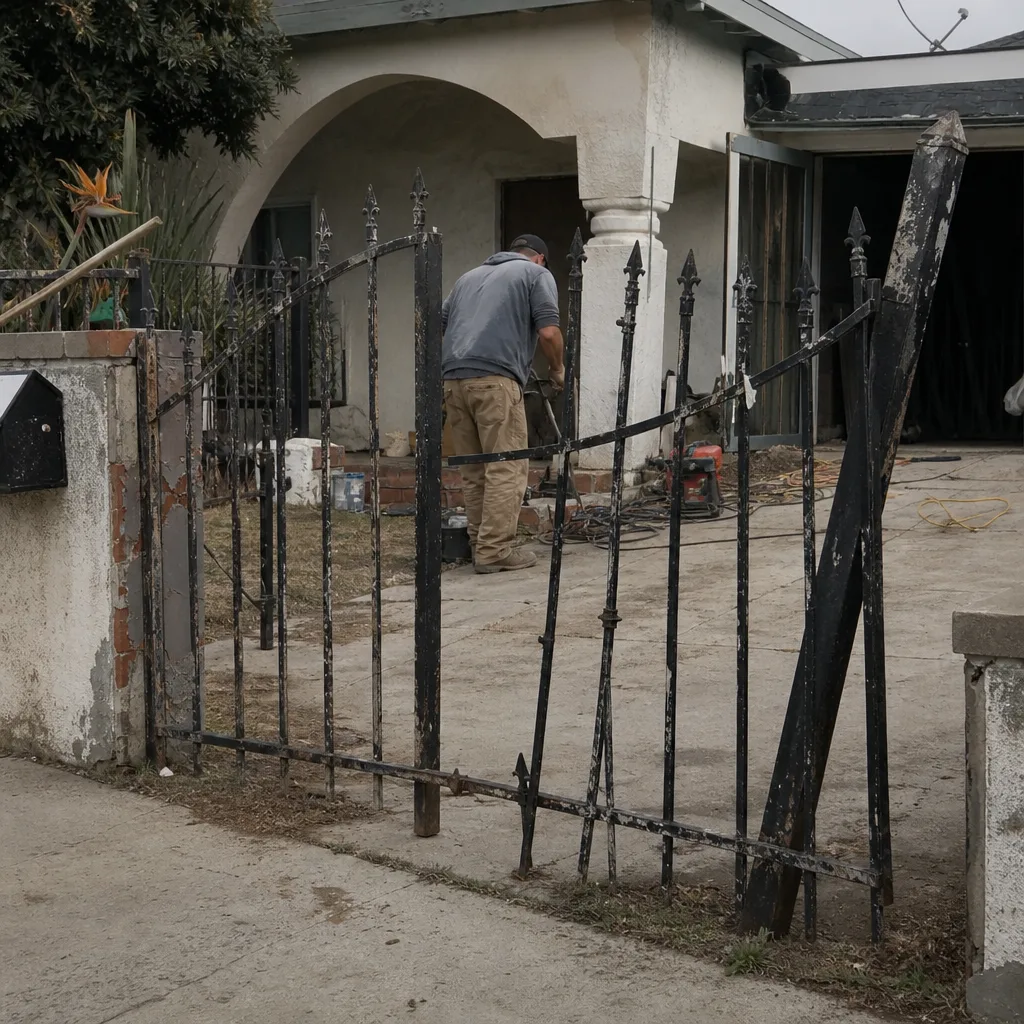
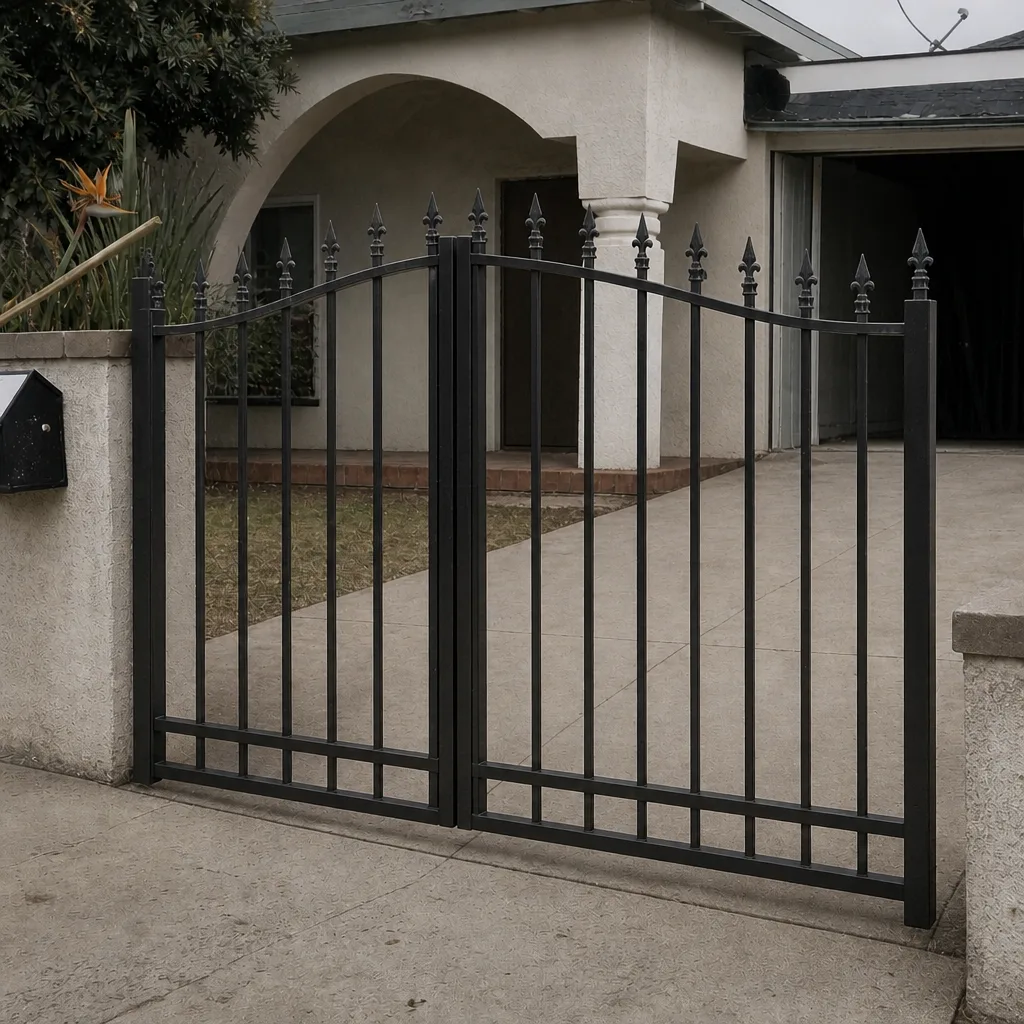
See the difference
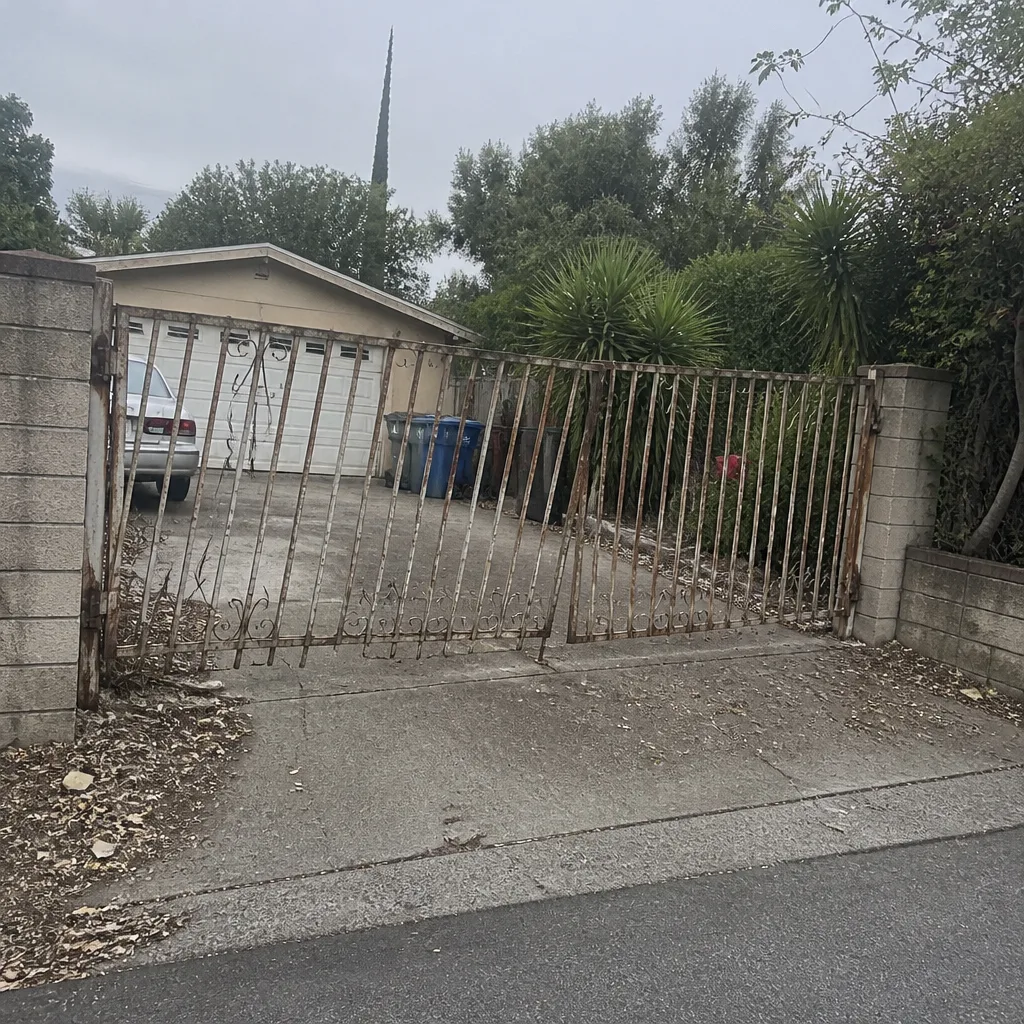 Before
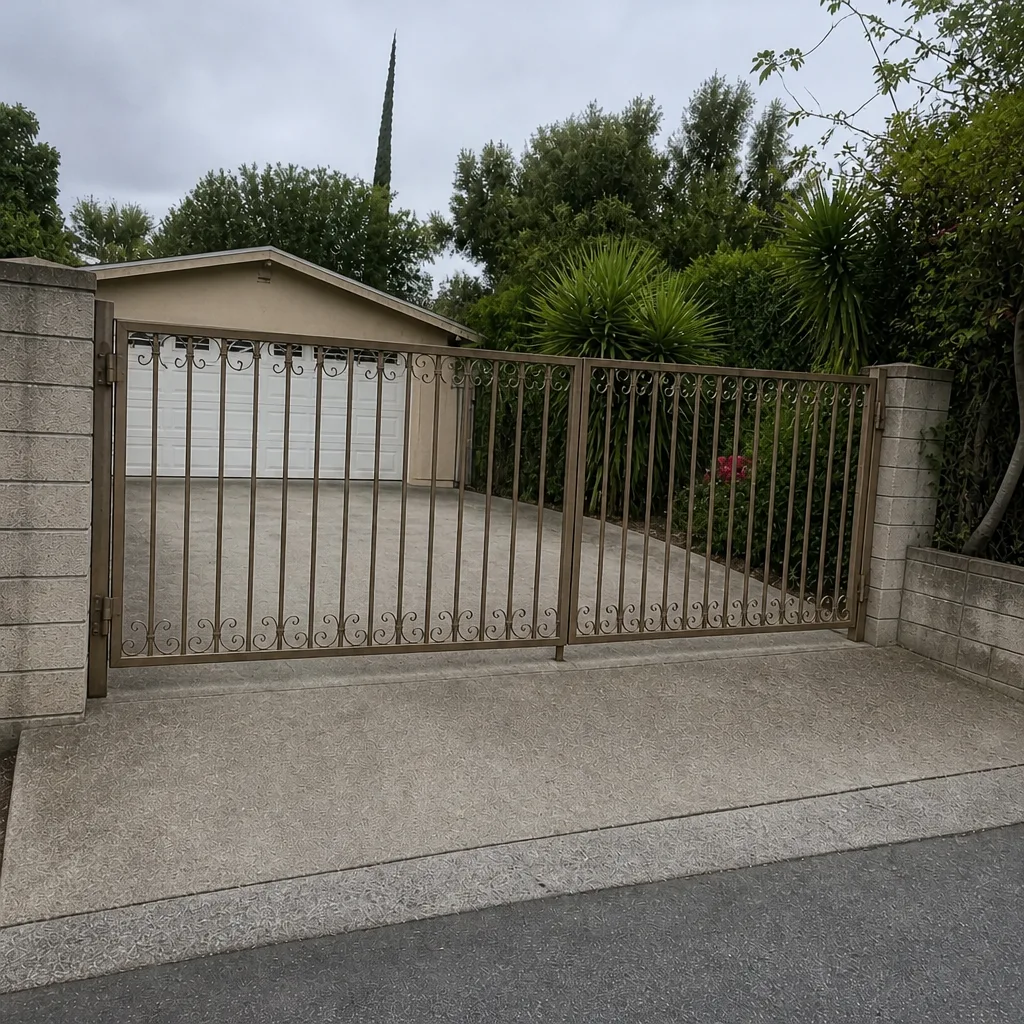 After
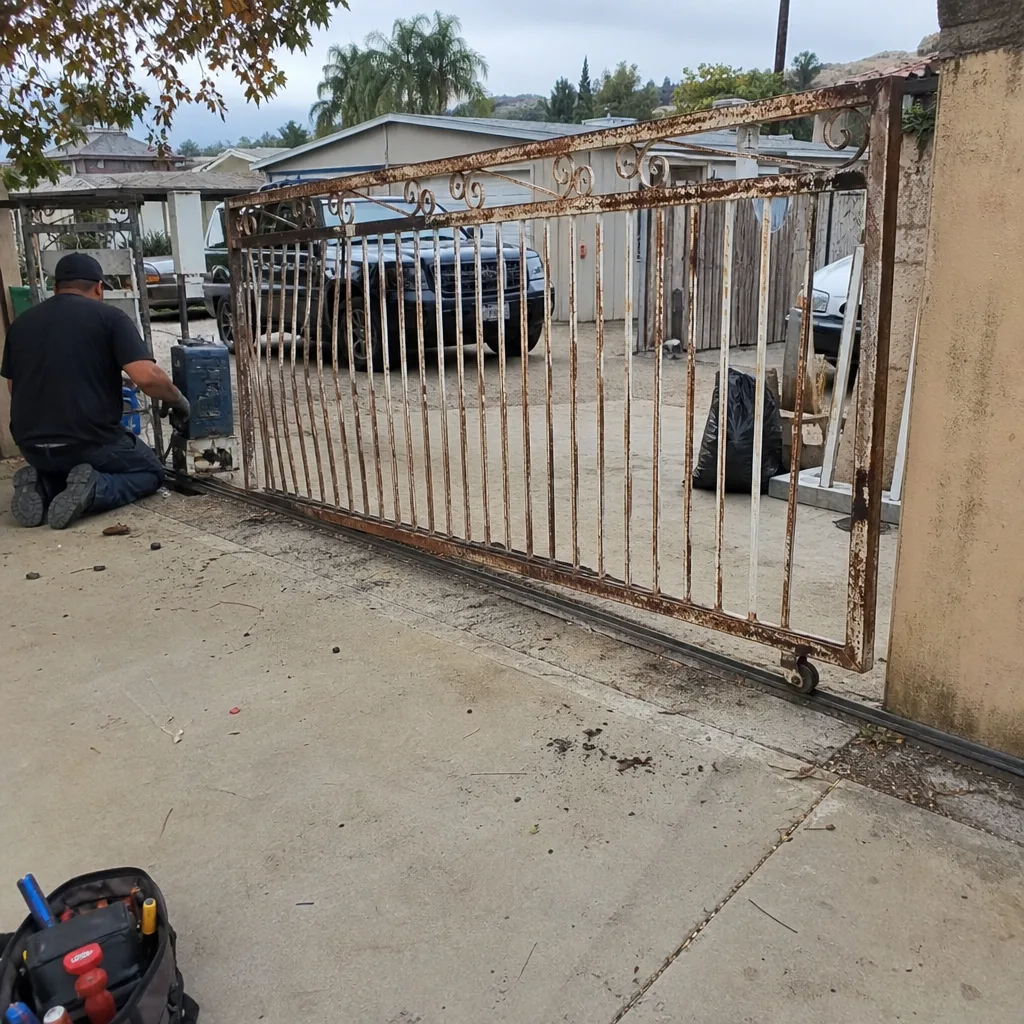 Before
 After
 Before
 After
When to Call a Professional
Some seasonal checks are simple observation, and some are out of reach for anyone without training. Call a professional when the gate stops mid-travel or will not close reliably, when the battery backup fails a test, when you suspect a loop detector, wiring, or control board fault, when a post looks like it’s leaning or the footing has cracked, or when a manual gate has stopped moving freely and forcing it makes it worse. Live electrical components and operator internals are not a do-it-yourself job, and the diagnosis is what you’re paying to get right. Gate Repair El Cajon offers free estimates in El Cajon. Call (866) 361-9590. We answer 24/7. Fast dispatch from 7am to 7pm, Sunday through Friday.
Frequently Asked Questions
The most important check is testing your battery backup and limit switches before the fall wind window, because Santa Ana conditions stress power reliability and knock limit switches out of alignment. A gate that passes both checks entering September has already cleared the two biggest failure points of the year. Call (866) 361-9590 to schedule a free estimate.
A full seasonal pass twice a year, readied around September and again in spring, with a twelve-minute monthly walkaround in between, keeps most automatic gates reliable. Electric systems benefit from a professional look at least once a year to catch board, loop, and battery issues before they cause a failure. That’s less about the calendar than about the heat and wind this valley throws at the electronics. Call (866) 361-9590 for a free estimate.
A gate that opens by itself after rain is usually reacting to a loop detector or underground wiring fault, not a control board failure. El Cajon’s clay soils shift when wet, and the channel that carries loop wiring can move enough to false-trigger the detector. A technician can trace and re-tune the loop quickly. Call (866) 361-9590 for a free estimate.
Sustained heat above 95°F shortens the life of the control board’s capacitors and stresses solder joints through repeated heat cycles. The inside of a control box in direct sun can run much hotter than the outside air. Shade and ventilation, plus a healthy battery backup, are the two things that help most. Call (866) 361-9590 for a free estimate.
We work on your brand, across the major gate and operator manufacturers including LiftMaster, FAAC, BFT, Linear, Viking, Ghost Controls, DoorKing, Elite, and Mighty Mule. That means we diagnose the system you already own rather than steering you to a replacement. Call (866) 361-9590 for a free estimate.
Yes, one call covers repair, troubleshooting, parts, and installation. If your seasonal check turns up a problem that a repair can solve, we fix it. If your gate has reached the end of its life, we can install a new one. Call (866) 361-9590 for a free estimate.
The Bottom Line
El Cajon gate care is a calendar problem more than a repair problem. September is for battery backup, limit switches, and debris guards before Santa Ana wind. December through February is for watching hinges, collars, and underground loop wiring through the wet window. Spring is for catching powder coat failure before summer sun finds it. Summer is for heat protection on the control board. Solar panels get a twice-yearly angle adjustment. Do those four blocks plus a twelve-minute monthly walkaround and your gate rarely surprises you. That’s the whole plan, and it’s built for this valley rather than somewhere else. Call (866) 361-9590 for a free estimate.
Written by the team at Gate Repair El Cajon.