
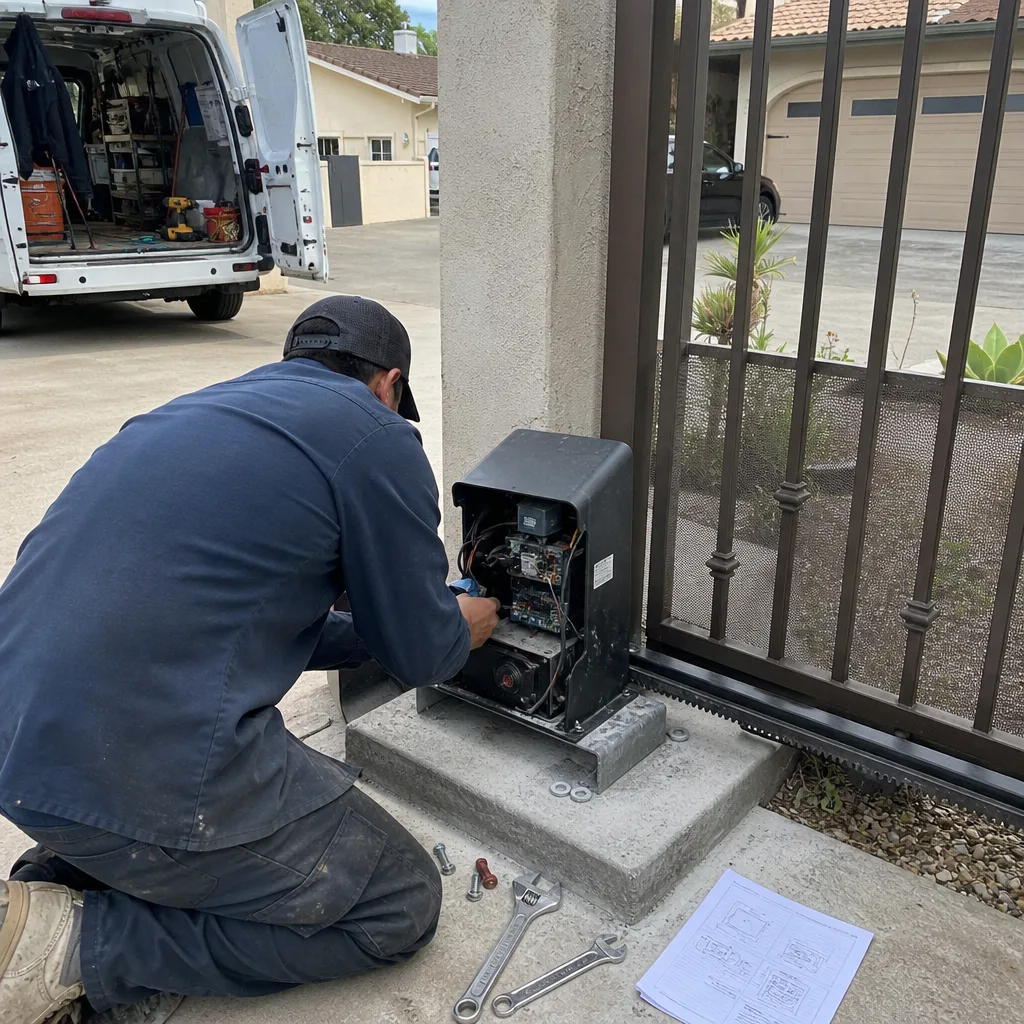
Last updated November 15, 2026
 Wrought iron
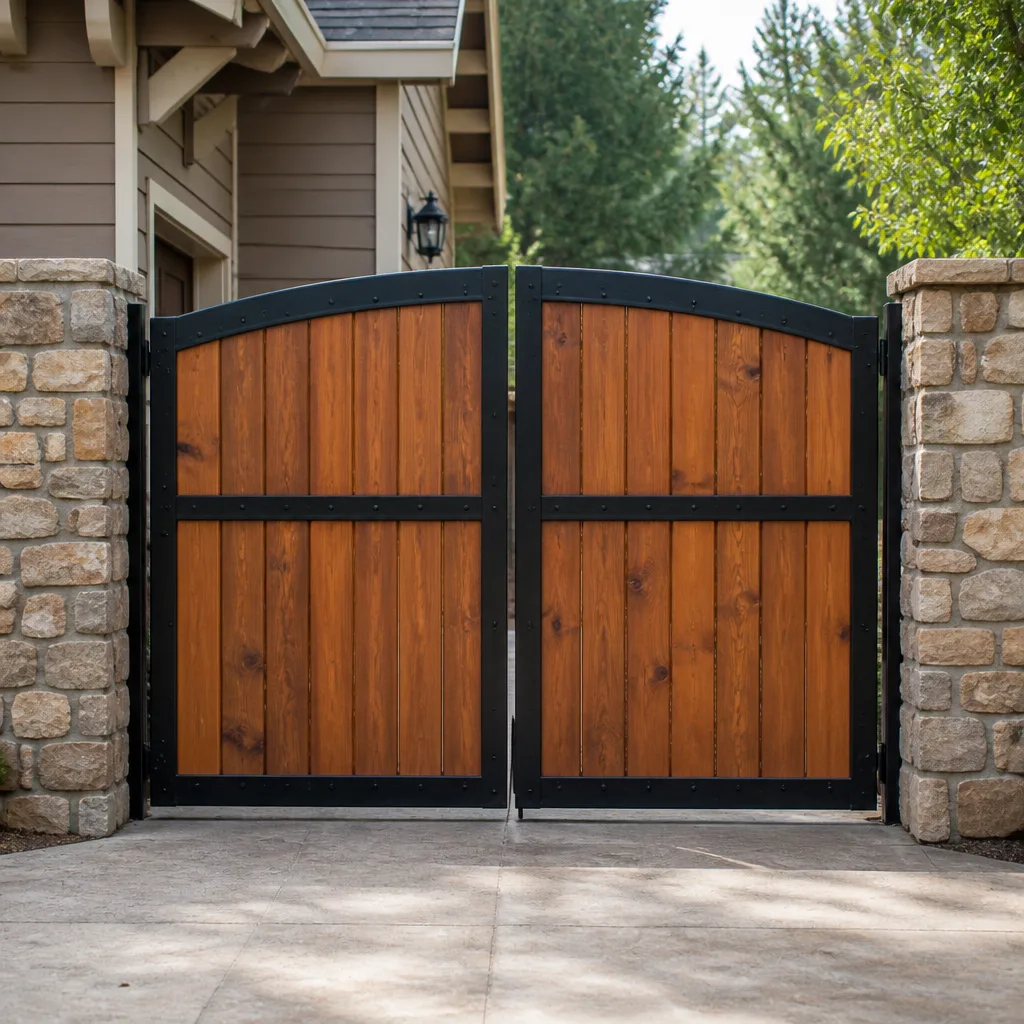 Wood & steel frame
 Farm & ranch
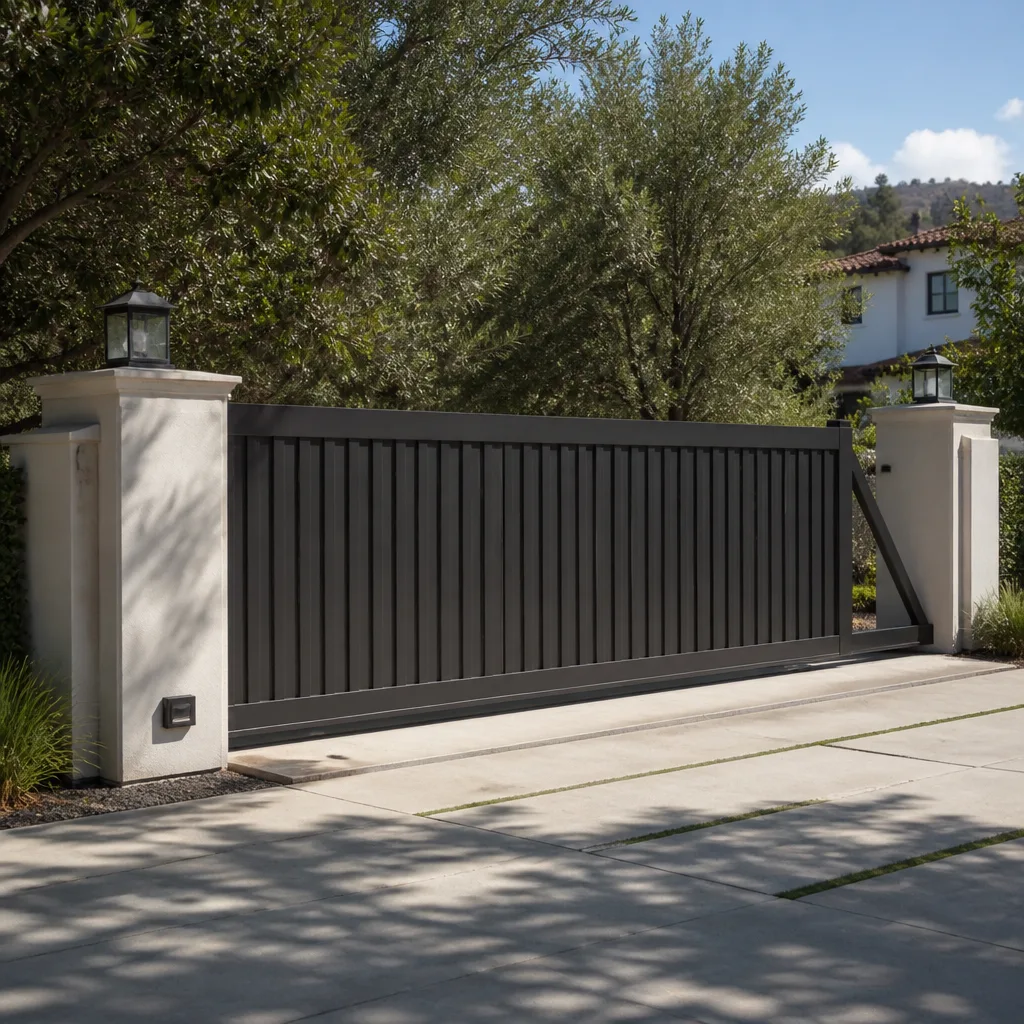 Sliding driveway gates
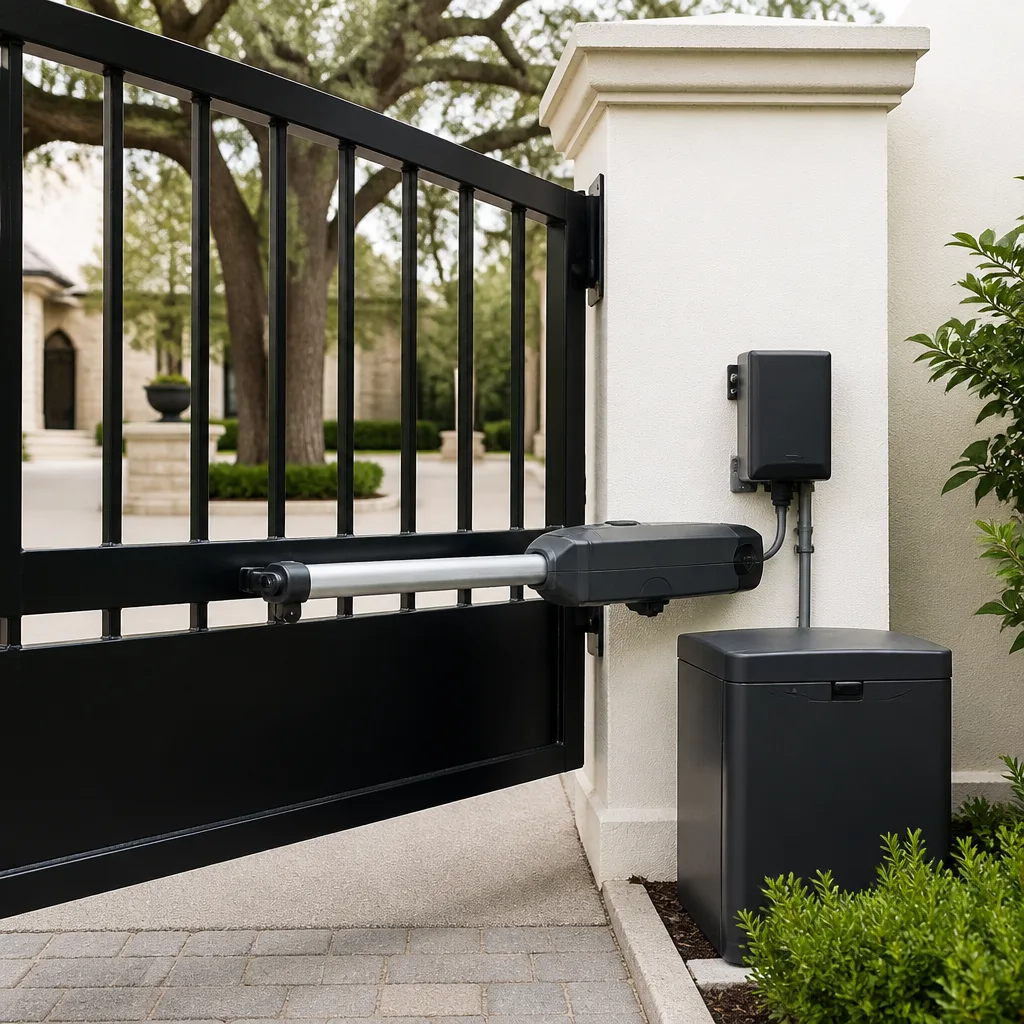 LiftMaster operators
Free on-site gate assessment - hinges, posts, and your LiftMaster or Nice gate operator checked before anything is quoted
The assessment is free and the quote is the invoice.
Get your free estimateDIY vs Professional Gate Repair: The El Cajon Homeowner’s Decision Guide
The most common mistake we see people make when their gate stops working is assuming the repair is either trivially easy or impossibly dangerous. The truth sits in a specific, technical middle ground. The real dividing line in gate repair isn’t a homeowner’s mechanical skill. It’s system voltage and liability. California law and UL 325 safety standards draw a hard line at 24-volt systems and automatic operators, and most homeowners have no idea it exists. This guide shows you exactly where that line falls in El Cajon, what you can safely fix yourself, and when the risk of a DIY attempt becomes far greater than the cost of a professional repair.
Quick Answer
Capable El Cajon homeowners can safely handle simple mechanical fixes like tightening hinges, adjusting a manual latch, cleaning a track, or reprogramming a remote. However, any work on an automatic operator, control board, entrapment sensor system, 120V power, or loop detector should be handled by a professional. DIY work on high-voltage gate systems can void warranties, create serious liability, and compromise the safety features that California and UL 325 require.
Styles & brands we work with
- Wrought iron
- Wood & steel frame
- Farm & ranch
- Sliding driveway gates
- LiftMaster operators
Table of Contents
- The Real Dividing Line: Voltage, UL 325, and Liability
- What’s Genuinely Safe for a DIY Fix
- The Hard Stops: Where DIY Creates Liability
- UL 325 and What It Means for You
- Tool and Parts Sourcing Reality in El Cajon
- Cost Comparison: When DIY Saves and When It Costs More
- Common Mistakes to Avoid
- When to Call a Professional
The Real Dividing Line: Voltage, UL 325, and Liability
The conversation about DIY vs. professional gate repair usually starts in the wrong place. People ask whether they are “handy enough” to do it themselves. That is the wrong question. The right question is what the repair touches. A gate system splits into two very different worlds: the low-voltage side that handles signals and the high-voltage side that supplies power and drives the motor.
On one side, you have mechanical parts and low-voltage controls. A sticky hinge is just metal on metal. A remote that stopped working is a signal issue. On the other side, you have 120-volt household current feeding an automatic operator, plus the control board that tells the motor when to run and when to stop, plus the entrapment sensors that keep the gate from closing on a person or a vehicle. That second world is where the electrical hazard and the legal obligation live.
In El Cajon, a lot of homes sit behind automatic driveway gates that were installed years ago and have never been serviced. When something fails, we see two reactions. One is to grab a screwdriver and a phone video. The other is to call a pro. The homeowners who do well are the ones who understand where the safe zone ends before they pick up a tool.
A Simple Way to Think About It
- Low risk, mechanical: Hinges, rollers, manual latches, physical alignment, cleaning debris from tracks.
- Moderate risk, low voltage: Remote and keypad programming, battery replacement in a remote.
- High risk, legally significant: Automatic operators, control boards, loop detectors, 120V wiring, entrapment sensors.
If your repair falls in that last group, the cost of a professional visit is almost always lower than the risk and the cleanup. For that kind of work, you want electric gate repair handled at the source by someone who knows the system.
What’s Genuinely Safe for a DIY Fix
We’re not going to tell you that every gate problem needs a technician. Several common issues are safe for a capable homeowner to handle, and doing them yourself saves real money without any downside. These are the repairs that stay on the mechanical or low-voltage side and never touch the powered equipment.
- Tightening hinge hardware. If a manual swing gate sags or drags, the hinge bolts may simply have loosened. Snugging them down is straightforward with basic hand tools. If the hinge itself is bent or the post is moving, stop there and get it looked at.
- Adjusting a manual latch or drop rod. A gate that won’t latch cleanly often just needs a latch plate or drop-rod adjustment. This is pure mechanics.
- Cleaning and clearing a track or wheel path. Dirt, leaves, and debris cause a lot of slide-gate sticking. Clearing the path and checking that the wheels spin freely is easy and effective.
- Reprogramming a remote or keypad. Re-pairing a remote to an existing receiver is low-voltage and reversible. The manual that came with your operator usually walks you through it. If you can’t find the manual, we’ve worked with LiftMaster and Elite systems often enough to talk you through the setup for those brands.
- Replacing remote batteries. Obvious, but worth listing. A dead battery looks like a broken receiver more often than people expect.
These five jobs are where DIY gate repair in El Cajon makes real sense. They keep the work in the safe zone and don’t require special parts or a trade account. If a repair starts to drift toward the motor, the wiring, or the control box, that’s your cue to stop and reassess.
The Hard Stops: Where DIY Creates Liability
This is the section you should read twice. Below the mechanical layer, gate repair stops being a matter of skill and becomes a matter of electrical safety and legal exposure. These aren’t repairs where a mistake just means it doesn’t work. These are repairs where a mistake can injure someone, void your warranty, or leave you on the hook for a problem you created.
1. Automatic Operators and Motors
An automatic operator runs on household 120-volt current and drives a heavy gate panel. Opening the housing exposes you to live power and to moving parts that carry serious force. A heavy swing or slide gate that closes unexpectedly can crush. That’s why operator work is a stop sign for DIY. To make it worse, the brands vary a lot. A Mighty Mule operator has different internal logic than a FAAC system, and miswiring either one can destroy the control board or, worse, defeat a safety feature.
2. Entrapment Sensors and Safety Edges
Every automatic gate relies on entrapment sensors to reverse when something is in the way. These are the parts that protect a child, a pet, or a car. If they’re misaligned, bypassed, or wired wrong, the gate can close on a person with full force. There is no safe DIY shortcut here. This is the part of the system that most needs to be correct, and the part a YouTube video is most likely to skip.
3. 120V Wiring and Power Runs
Household power to the gate operator is real electrical work. It’s governed by electrical code, and it’s dangerous. We don’t give step-by-step wiring instructions, and we’d suggest you don’t take them from a video either. If the power supply or the power run is the problem, that’s a trained professional’s job, and it may involve your local building department’s permit process.
4. Loop Detectors
Loop detectors are embedded in the driveway and tell the gate a vehicle is present so it doesn’t close. They look simple because they’re buried and invisible, but the electronics and the wiring at the operator end need to be tuned and connected correctly. An incorrectly connected loop can make a gate behave unpredictably, which is the last thing you want on a driveway.
Each of these is a place where a DIY attempt can turn a repair into a liability. If your system is in one of these categories, our gate repair El Cajon service is built around diagnosing the actual fault rather than guessing.
UL 325 and What It Means for You
UL 325 is the safety standard that governs automatic gate operators in the United States, and it’s the legal backbone behind the entrapment sensors we just described. It establishes requirements for how an automatic gate must detect an obstruction and reverse. California law leans on this standard, which means an automatic gate that doesn’t meet it is a legal problem, not just a malfunctioning convenience.
Here’s the part most homeowners don’t realize. If you modify an automatic operator yourself, several consequences follow.
- Warranty voidance. Most operator manufacturers require professional installation or service to keep the warranty valid. If you open the control box and change wiring, you may be on your own for parts failures afterward.
- Insurance exposure. If a gate you modified injures someone, your homeowners or property insurer may take a very different view of the claim. A gate that fails a safety function because of a DIY change is a serious exposure.
- Resale disclosure requirements. When you sell a property with an automatic gate, the buyer and their inspector may ask about its safety compliance. An unpermitted or self-modified operator can slow a sale or become a negotiating point.
None of this is meant to scare you into calling for every little thing. It’s meant to make one point clear: the U.S. safety standard doesn’t care whether you’re handy. It cares whether the system works the way it’s supposed to when a child walks in front of it. That’s why the automatic side of the gate is professional territory.
Tool and Parts Sourcing Reality in El Cajon
Even when a homeowner decides to take on a repair, getting the right parts in El Cajon can be its own hurdle. What’s available at a local hardware store and what a gate requires are two very different lists.
For the safe DIY jobs, you’re on easy ground. Hinge bolts, latch hardware, batteries, and cleaning tools are all readily available from general hardware suppliers around El Cajon. No special account needed. Remote pairing doesn’t need parts at all.
Where it gets harder is the powered equipment. Control boards, motor parts, entrapment sensors, and loop detector components are often specific to a manufacturer. Some of these parts require a trade account, and others are sold only to authorized service providers. That’s part of why a homeowner with the best intentions can end up with the operator open and no way to finish the job.
What This Means in Practice
- Safe DIY parts: Readily available locally; no trade account needed.
- Operator and control parts: Often brand-specific and sometimes restricted to authorized service providers.
- Things to check before you start: The exact make and model of your operator, whether the part is user-replaceable, and whether the manufacturer requires a certified installer.
We work with the brands you already own rather than steering you toward a replacement. If you’re not sure whether a part you need is user-replaceable on a LiftMaster or BFT system, it’s worth a call before you order. Serving the El Cajon area means we’ve seen which parts homeowners can get and which ones they can’t.
Cost Comparison: When DIY Saves and When It Costs More
Cost is the real reason most people consider DIY in the first place, so it’s worth being honest about it. The catch is that gate repair pricing depends heavily on the specific repair and the specific system, so any dollar figure is an estimate until someone has looked at your gate. What we can do is show you the logic of when self-repair pays off and when it backfires.
We set every price per job after a free estimate, and you’ll know the number before any work begins. That’s the same rule whether the job is small or large: an estimate you agree to in writing, not an invoice that surprises you at the end. Here’s the honest side-by-side.
When DIY Saves Real Money
- You’re tightening a hinge, adjusting a latch, or clearing a track.
- You’re reprogramming a remote or keypad and the manual is available.
- The problem is a dead remote battery.
- The fix is reversible and doesn’t touch the motor, wiring, or sensors.
When DIY Costs More Than Starting with a Pro
- You open the operator to “take a look” and can’t get it back together correctly.
- You buy a control board for the wrong model and can’t return it.
- You disturb an entrapment sensor and the gate now behaves unpredictably.
- You attempt electrical wiring and create a fault that needs bigger correction later.
- You void a warranty on a part that then fails.
The pattern is clear. DIY saves money on the mechanical, reversible jobs. It costs more on the electrical, safety-critical, and brand-specific jobs, because the cleanup is usually harder than the original repair. For the powered side, a single visit from a specialist is typically the cheaper path. If you’re weighing a repair against a new install, a fresh unit is a separate project, and that’s where gate repair or a full installation consultation helps you decide which makes sense.
Common Mistakes to Avoid
- Treating the operator like any other motor. Opening the housing to “see what’s wrong” exposes you to 120V and to a control board you can damage just by touching it the wrong way. Always isolate power first, and let a pro handle the internals.
- Skipping the sensor recalibration after a control board change. A homeowner can get the board replaced and the gate moving and still leave the entrapment sensors out of spec. Those sensors have to be recalibrated to the required safety standard, and that’s the step people forget.
- Buying parts before confirming the model. In El Cajon, the wrong control board for a given brand is one of the most common wasted purchases we see. Confirm the exact model before ordering anything.
- Pushing a gate that’s dragging on a manual system. If a swing gate sags, the strain goes into the hinge and the post. Tighten or adjust the hinge instead of forcing the panel.
- Ignoring the warning signs of a failing operator. A gate that reverses randomly, beeps unexpectedly, or stops partway is telling you something. Waiting can turn a small fix into a control board or motor replacement.
- Assuming the manual covers your situation. Manuals cover installation and basic operation. They rarely cover a fault caused by years of wear in El Cajon’s dry, dusty summers, where grit works into tracks and pivots. Look at the hardware and the manual will make more sense.
- Modifying an automatic gate without checking the rules. UL 325, your warranty, and your insurance all care about a DIY modification. Before you touch the powered side, know what you might be agreeing to.
When to Call a Professional
You should call a professional for any of the following: the gate is automatic and the operator, motor, or control board is involved; the entrapment sensors or safety edges may be compromised; there’s a question about the 120V power supply or wiring; a loop detector is malfunctioning; or the gate is a heavy slide or swing panel that could injure someone if it moves unexpectedly. You should also call if a safe DIY job turns out to be bigger than it looked, or if the same problem keeps coming back. In those cases, a proper diagnosis at the source saves you from guessing and from buying parts that don’t fit. Gate Repair El Cajon offers free estimates in El Cajon. Call (866) 361-9590 to get a clear answer on your gate.
See the difference
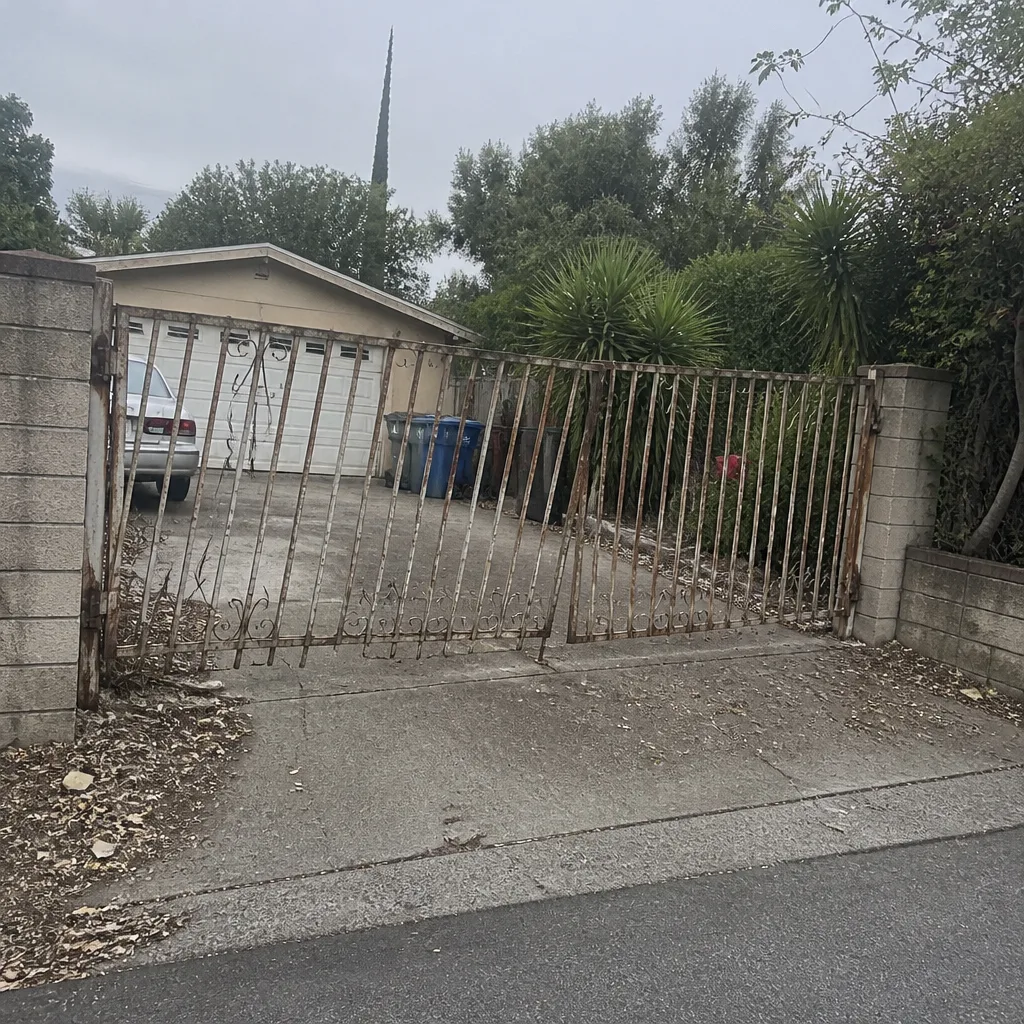 Before
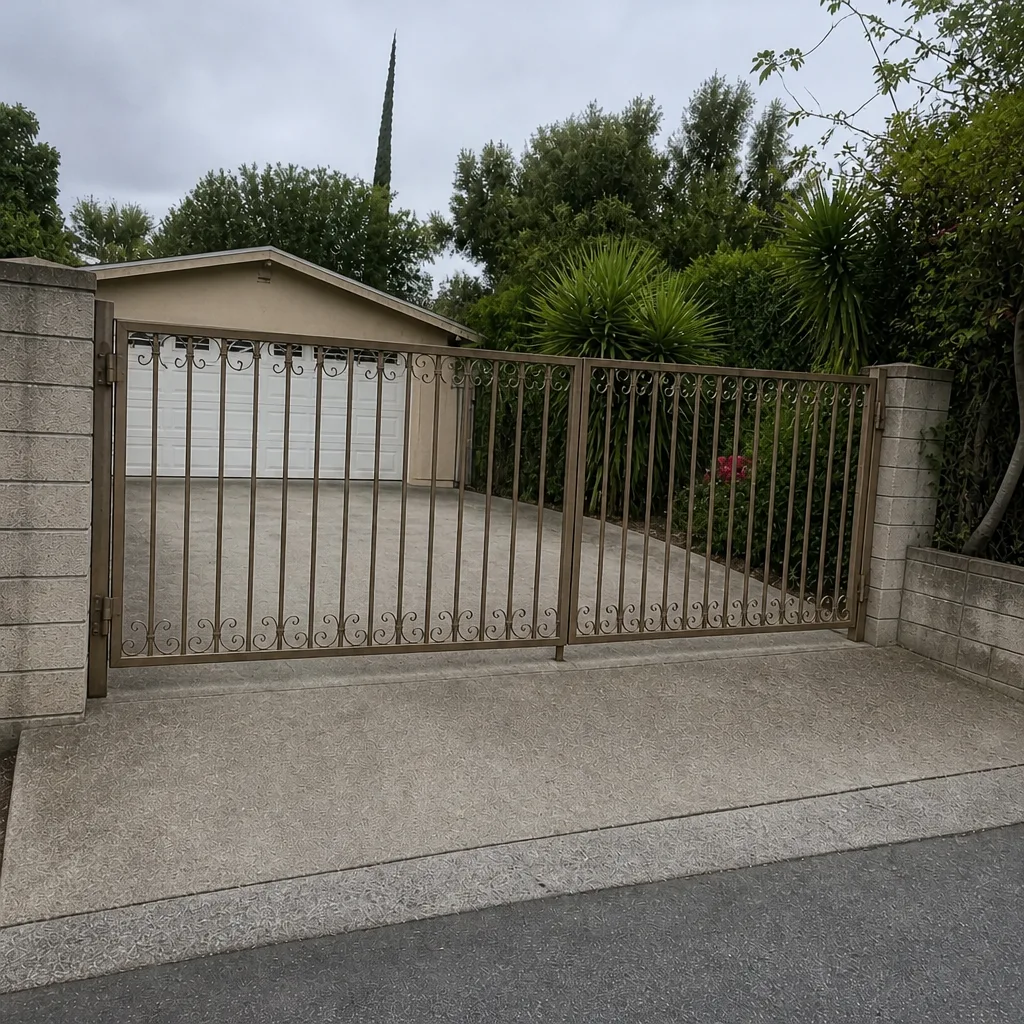 After
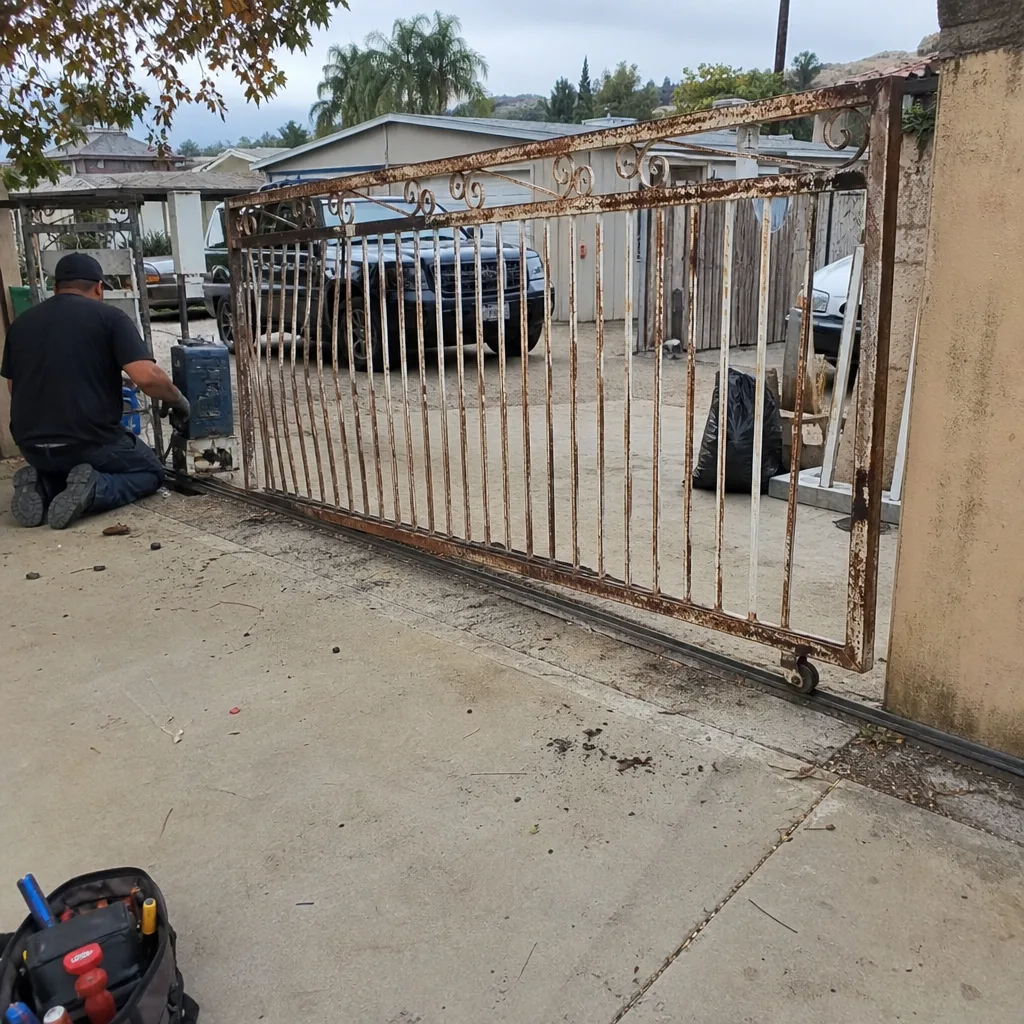 Before
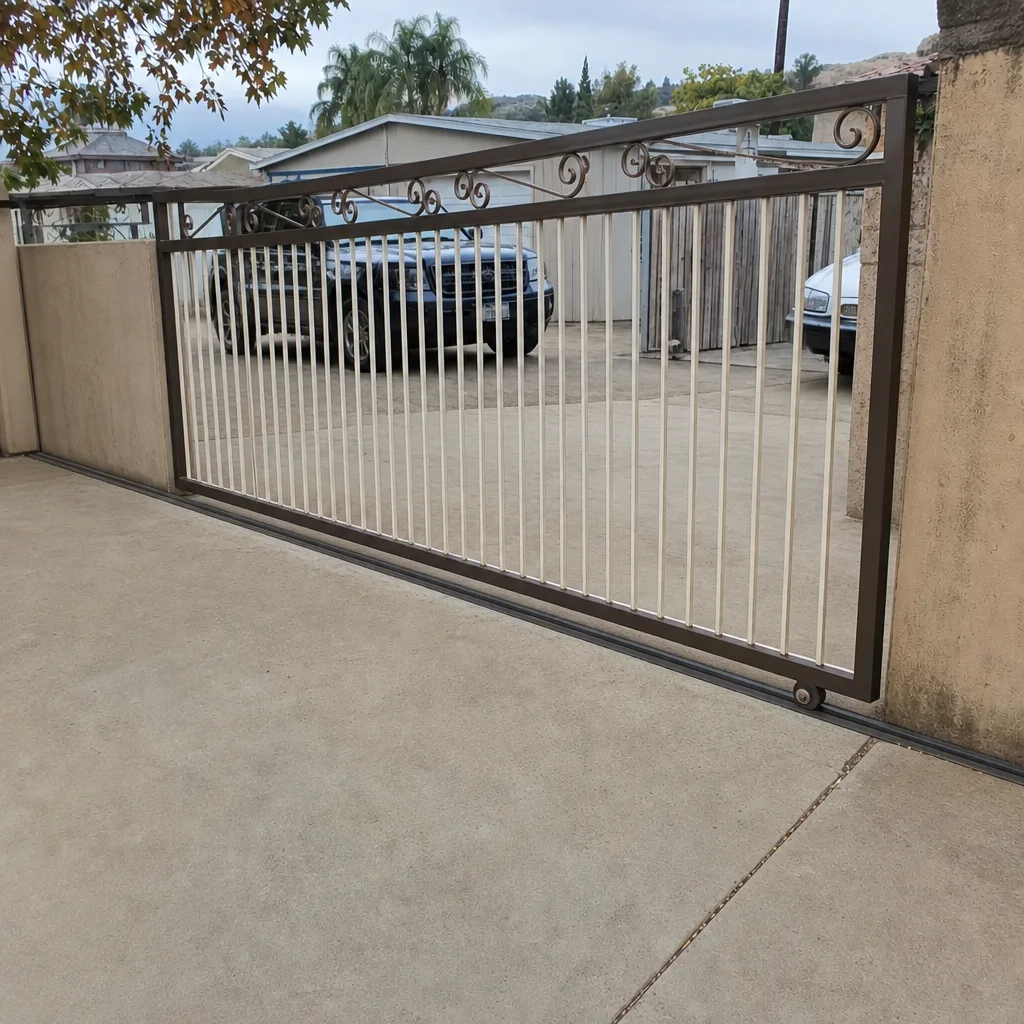 After
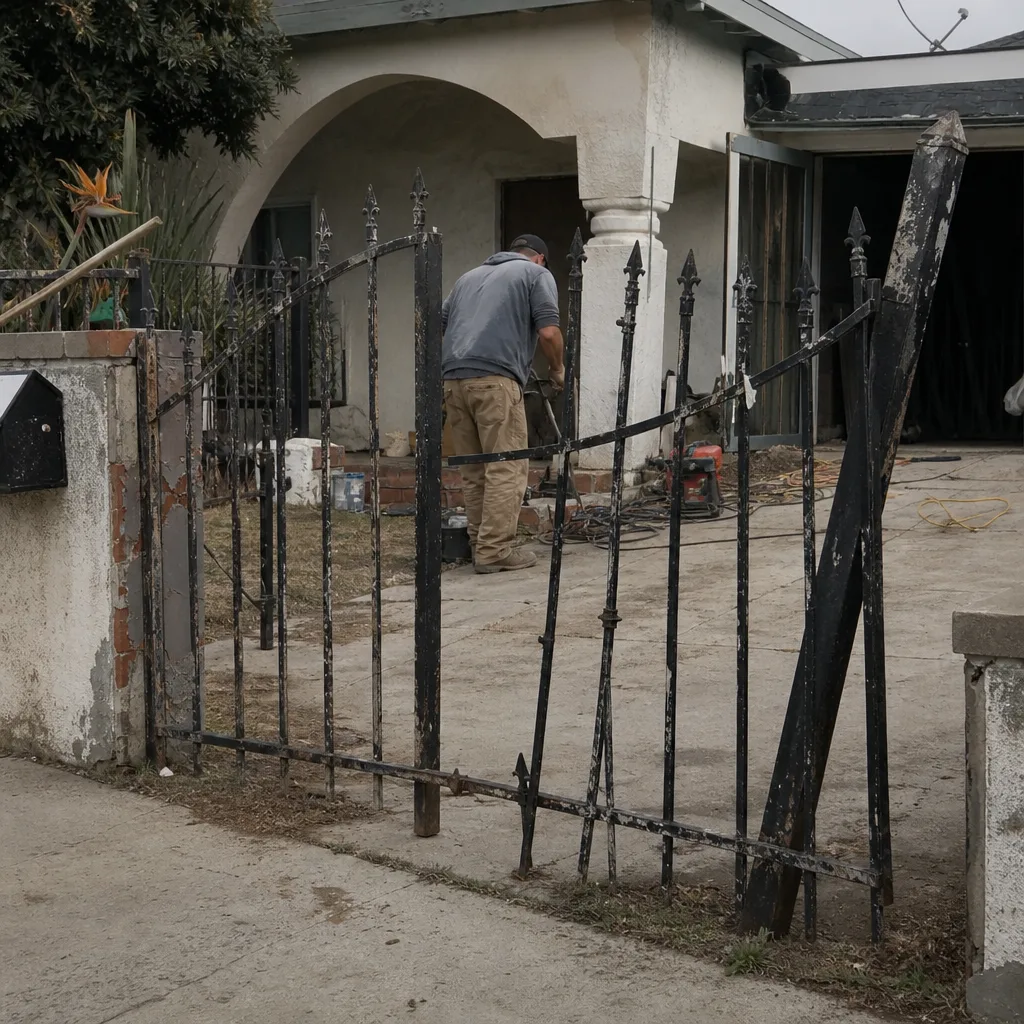 Before
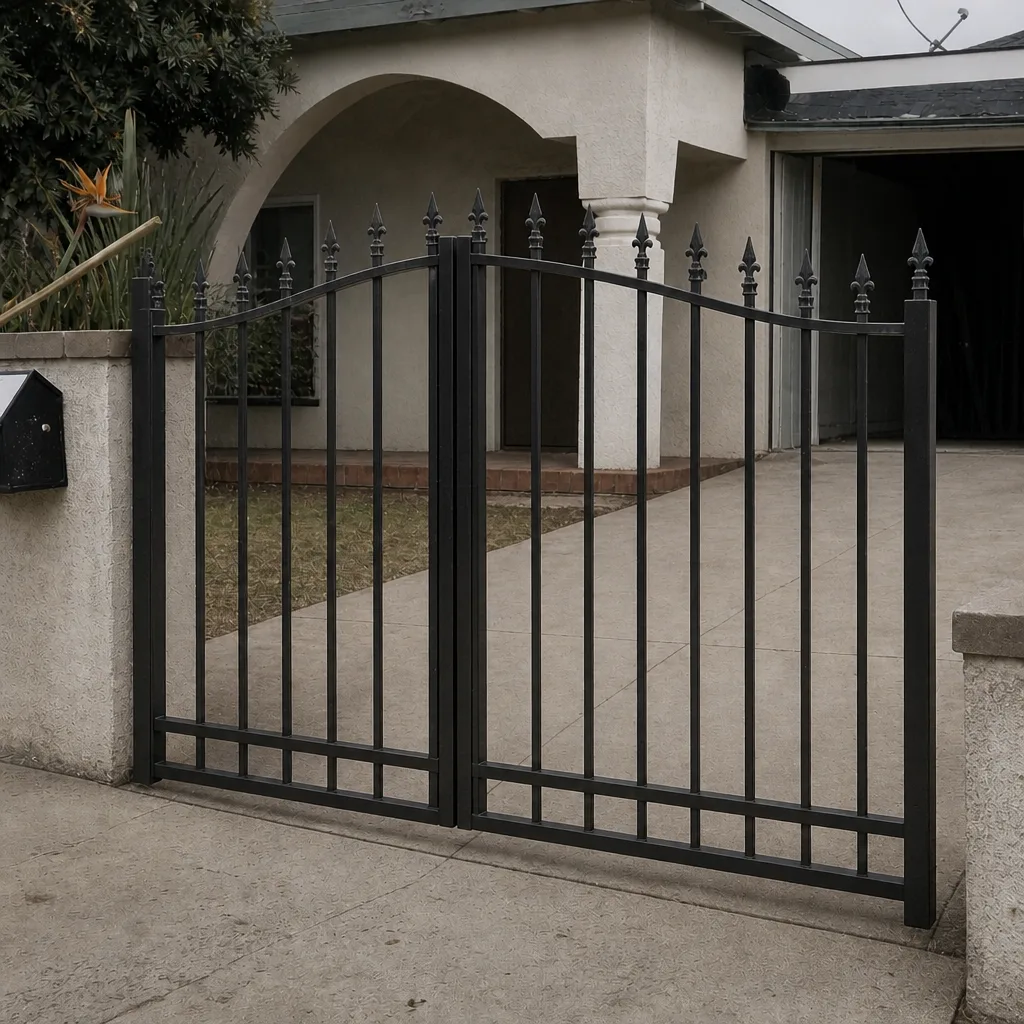 After
Frequently Asked Questions
Yes. Hinge tightening, manual latch adjustments, track cleaning, remote reprogramming, and remote battery replacement are all safe for a capable homeowner. These jobs stay in the mechanical or low-voltage zone. Anything that touches the automatic operator, control board, entrapment sensors, 120V wiring, or loop detectors should go to a professional.
The operator runs on household 120-volt current and drives a heavy gate panel that can crush. Opening the housing exposes you to live power and to moving parts under load. The entrapment sensors that prevent injury must also stay calibrated to the UL 325 safety standard, and a DIY change can defeat them. That combination of electrical hazard and safety obligation is why operator work is professional territory.
Many operator manufacturers require professional service to keep the warranty valid, so a DIY modification can void it. If a modified gate injures someone, your insurer may treat the claim very differently. And when you sell the property, a buyer’s inspector may ask about safety compliance for the automatic gate. All three are reasons to leave the powered side to a specialist.
Some parts are easy to source, but control boards, motor components, and entrapment sensors are often brand-specific and sometimes restricted to authorized service providers. Buying the wrong part for your model is a common waste. A pro can confirm the exact part and handle the calibration the install requires. If you’re unsure whether a part is user-replaceable, call before you order.
Ask one question: does the repair touch power or safety? If it’s bolts, latches, tracks, or remotes, it’s DIY-friendly. If it touches the motor, wiring, sensors, or a loop detector, it’s professional work. A good rule to share: if the fix could injure someone when it fails, it belongs with a trained technician, not a video tutorial.
A free estimate from a gate specialist who will look at your actual equipment. You want a written number you agree to before any work starts, not a guess over the phone. We diagnose at the source and quote per job. Call (866) 361-9590 for a free estimate.
The Bottom Line
The DIY vs. professional question for gate repair comes down to voltage and liability, not how handy you are. Handle the mechanical and low-voltage fixes yourself: hinges, latches, tracks, remotes. Leave the automatic operator, control board, entrapment sensors, 120V wiring, and loop detectors to a professional, because that’s where UL 325, your warranty, and your insurance all come into play. If a repair touches power or safety, stopping early is cheaper than cleaning up a DIY attempt gone wrong. When in doubt, a free estimate gives you the facts to decide.
Call (866) 361-9590. We answer 24/7. Fast dispatch from 7am to 7pm, Sunday through Friday. From opener to operator to control board, we diagnose the real problem and give you a written price before any work begins.
Written by the team at Gate Repair El Cajon.